CS-SW-ART-01
Streetwear collection · 10 design concepts
A detailed illustration can set the direction for an entire garment. This collection pairs full-colour artwork with boxy heavyweight tees and oversized hoodies: landscapes, koi, city scenes, flowers, abstract brushwork and other original concepts. Use them to describe the kind of composition you want for your own label. Crownseam supports DTG and DTF printing, with custom orders from 20 pieces and free mockups.
Front, back & three-quarter views · select a design
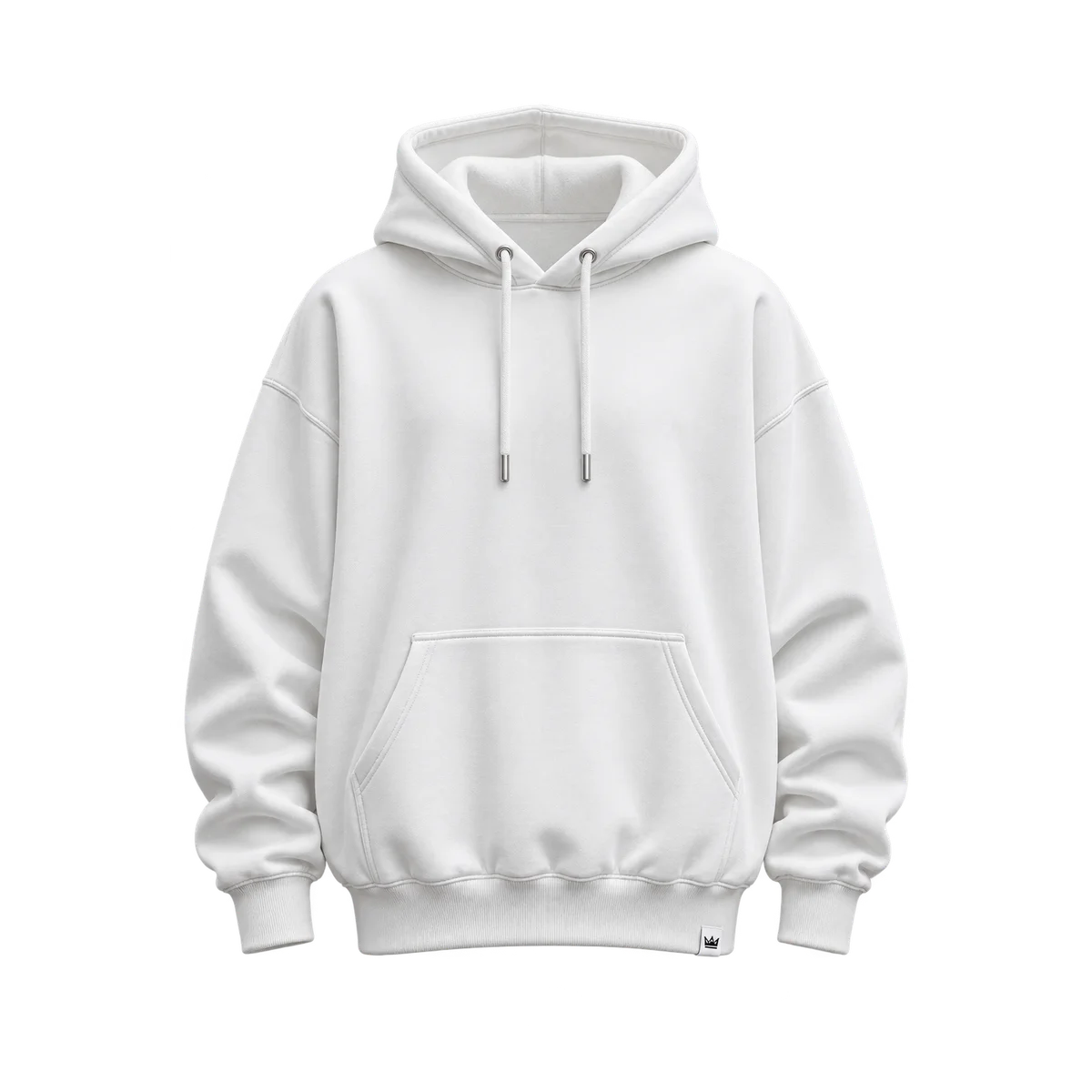
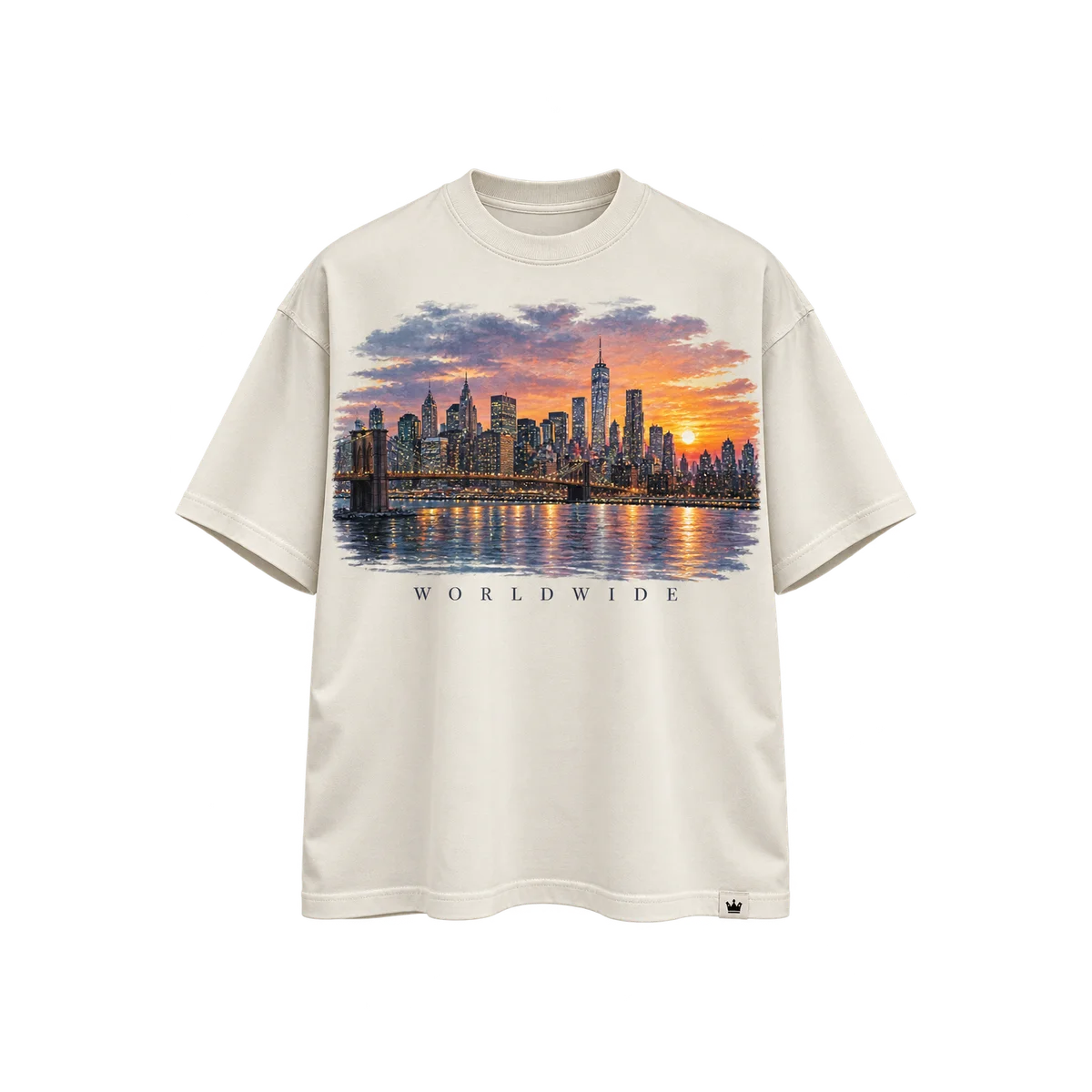
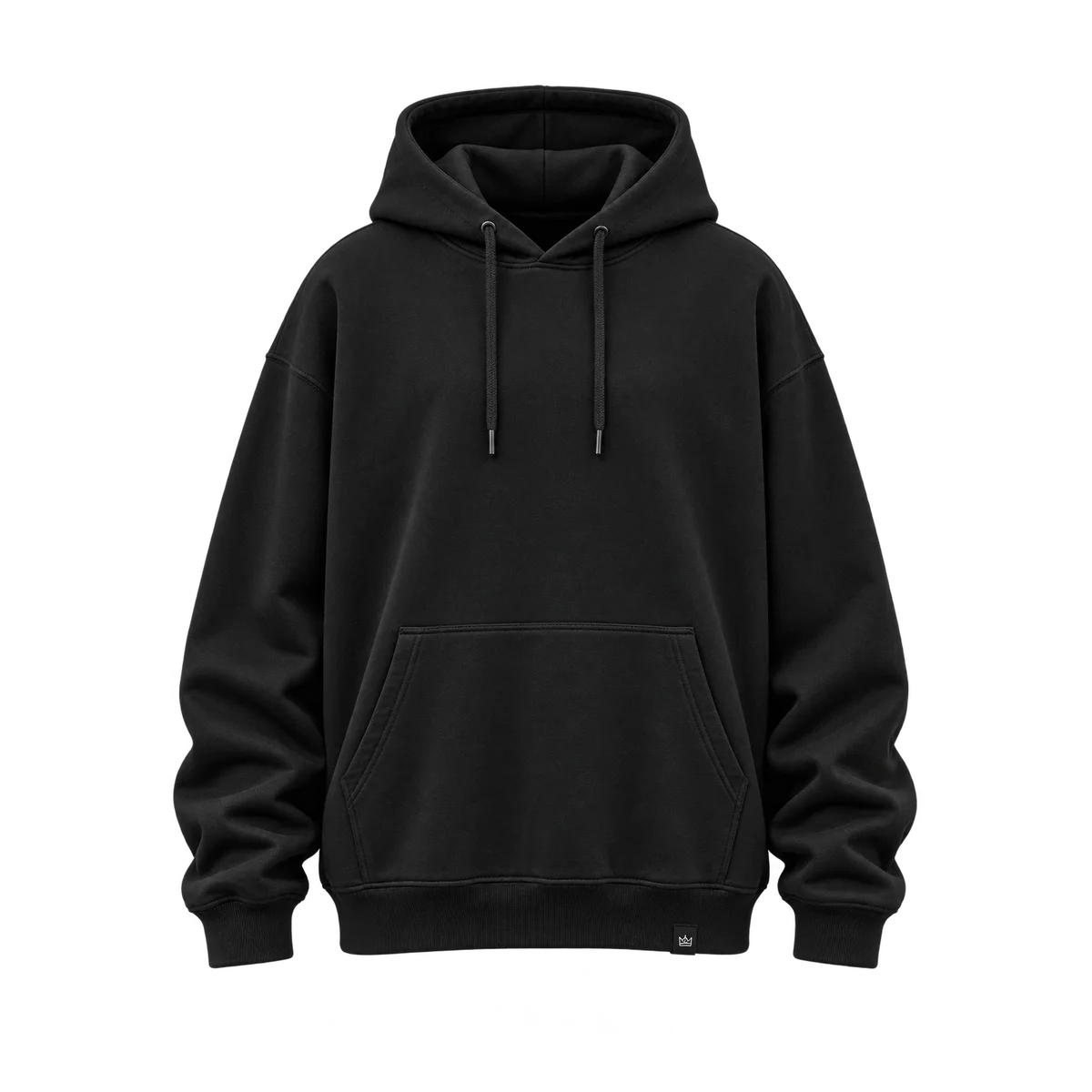
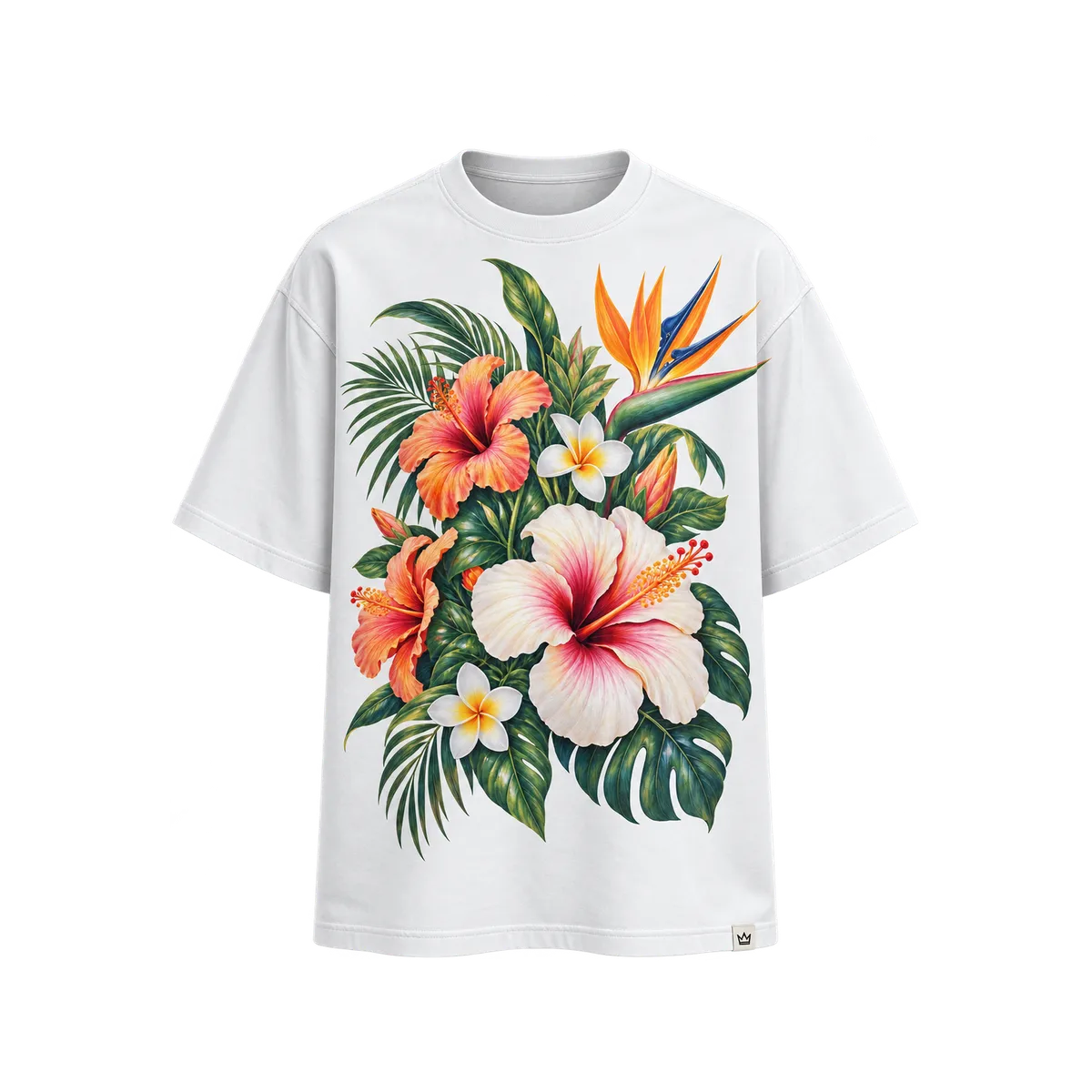
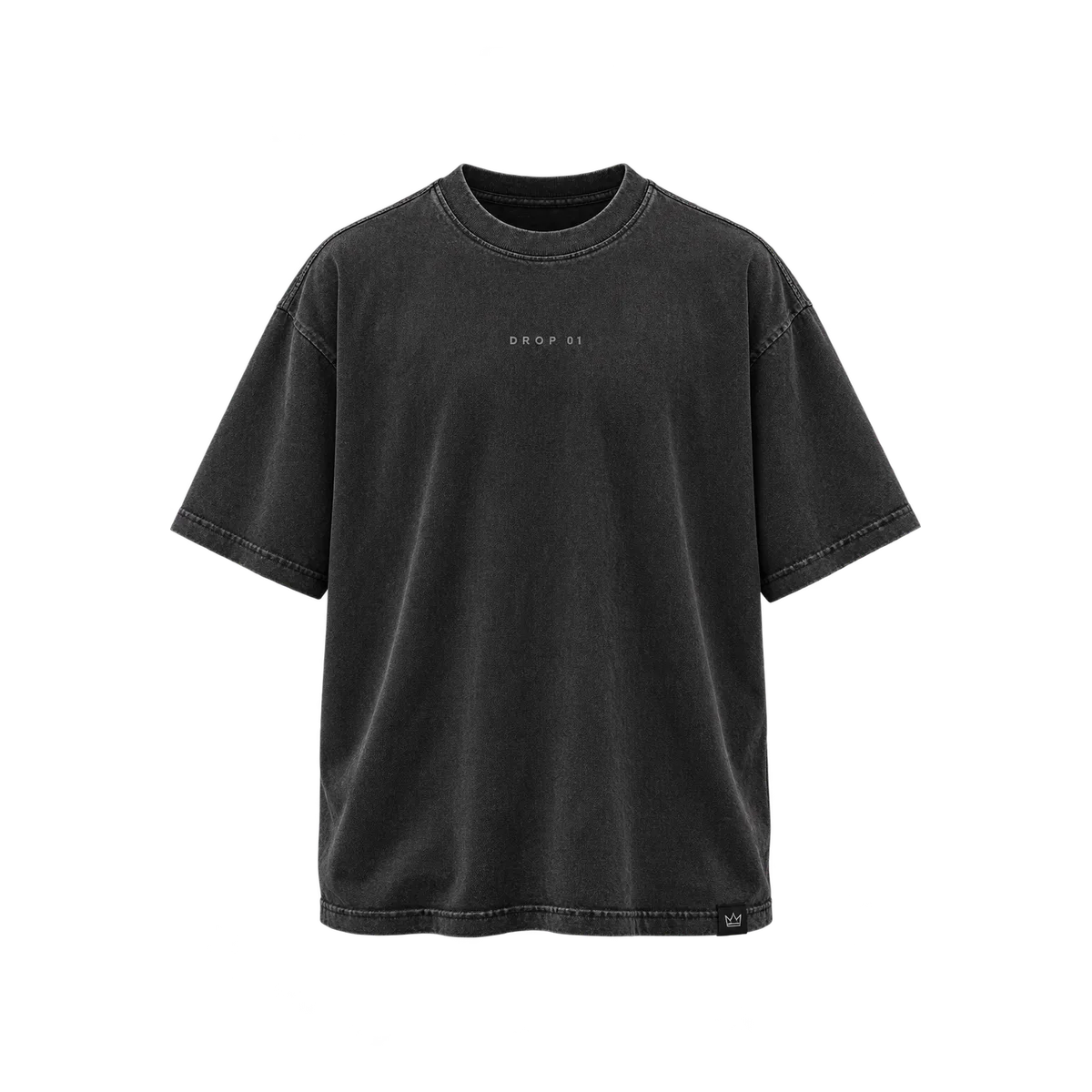
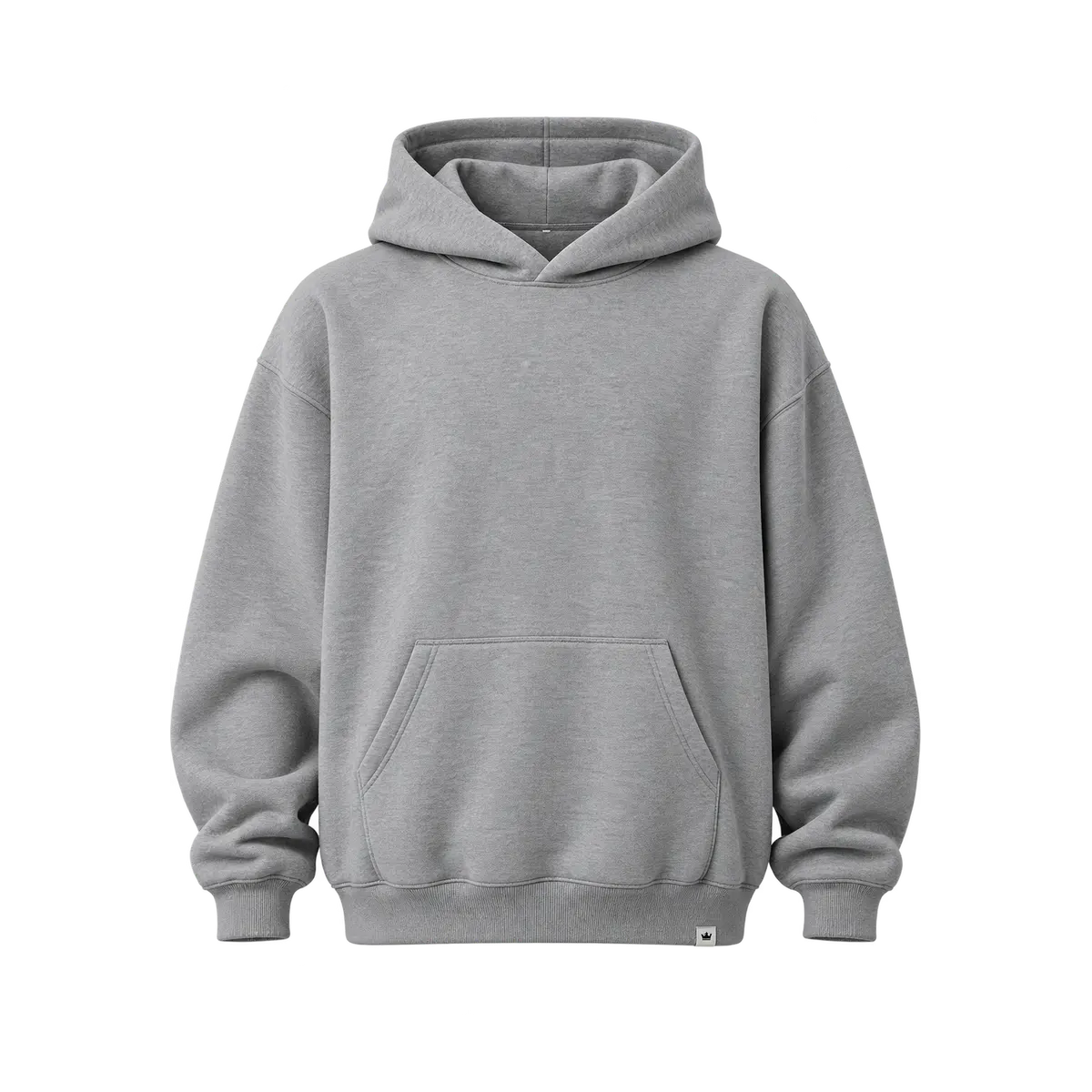
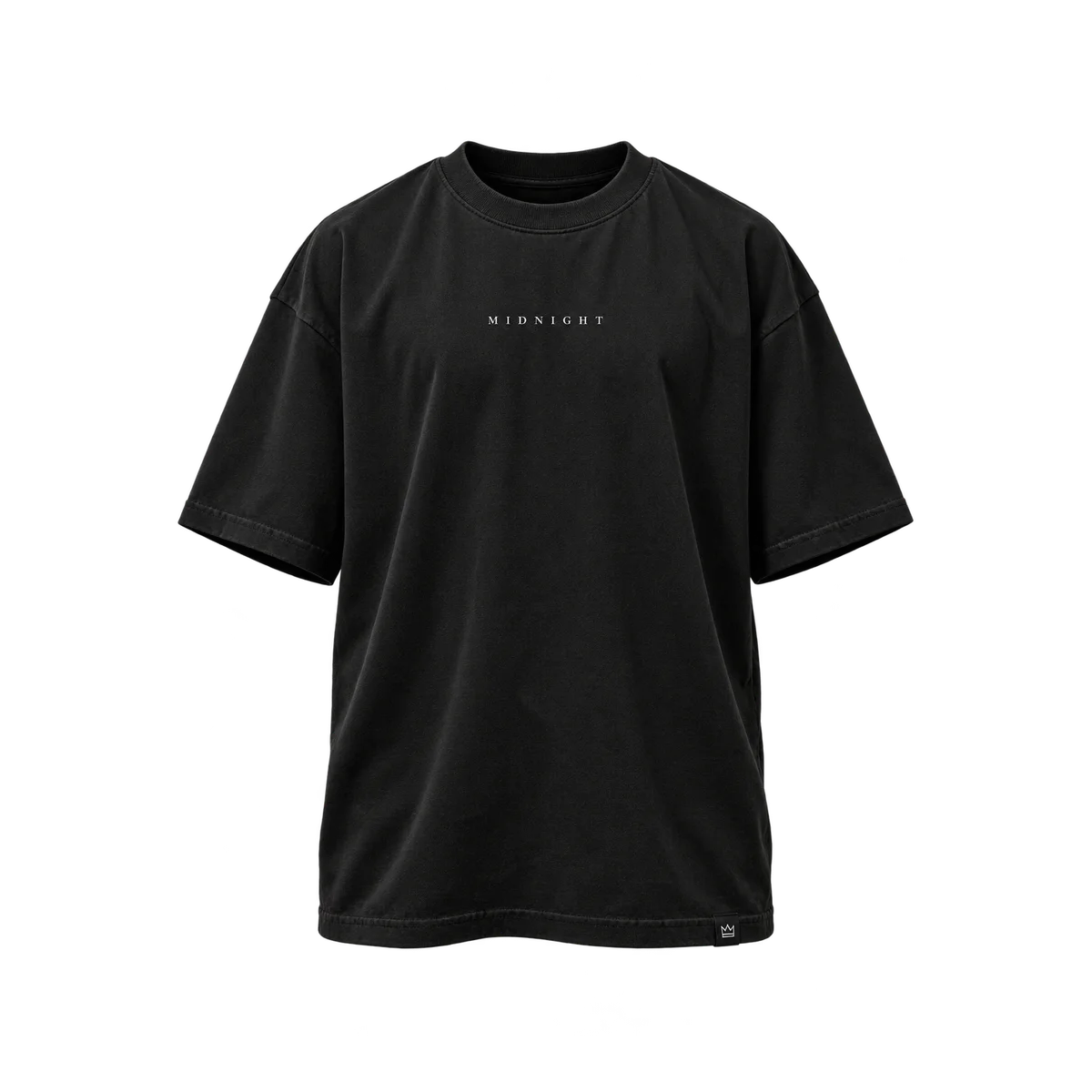
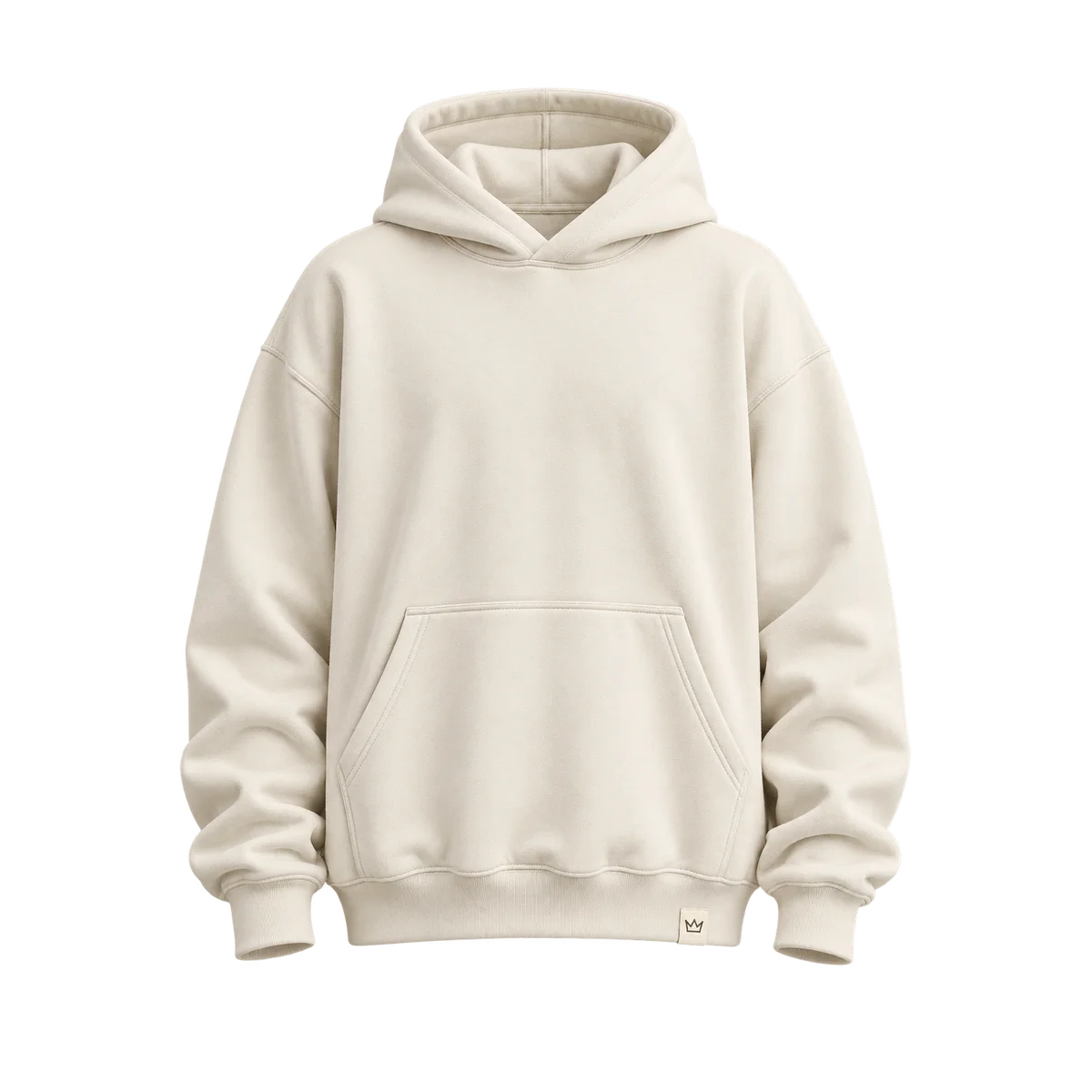
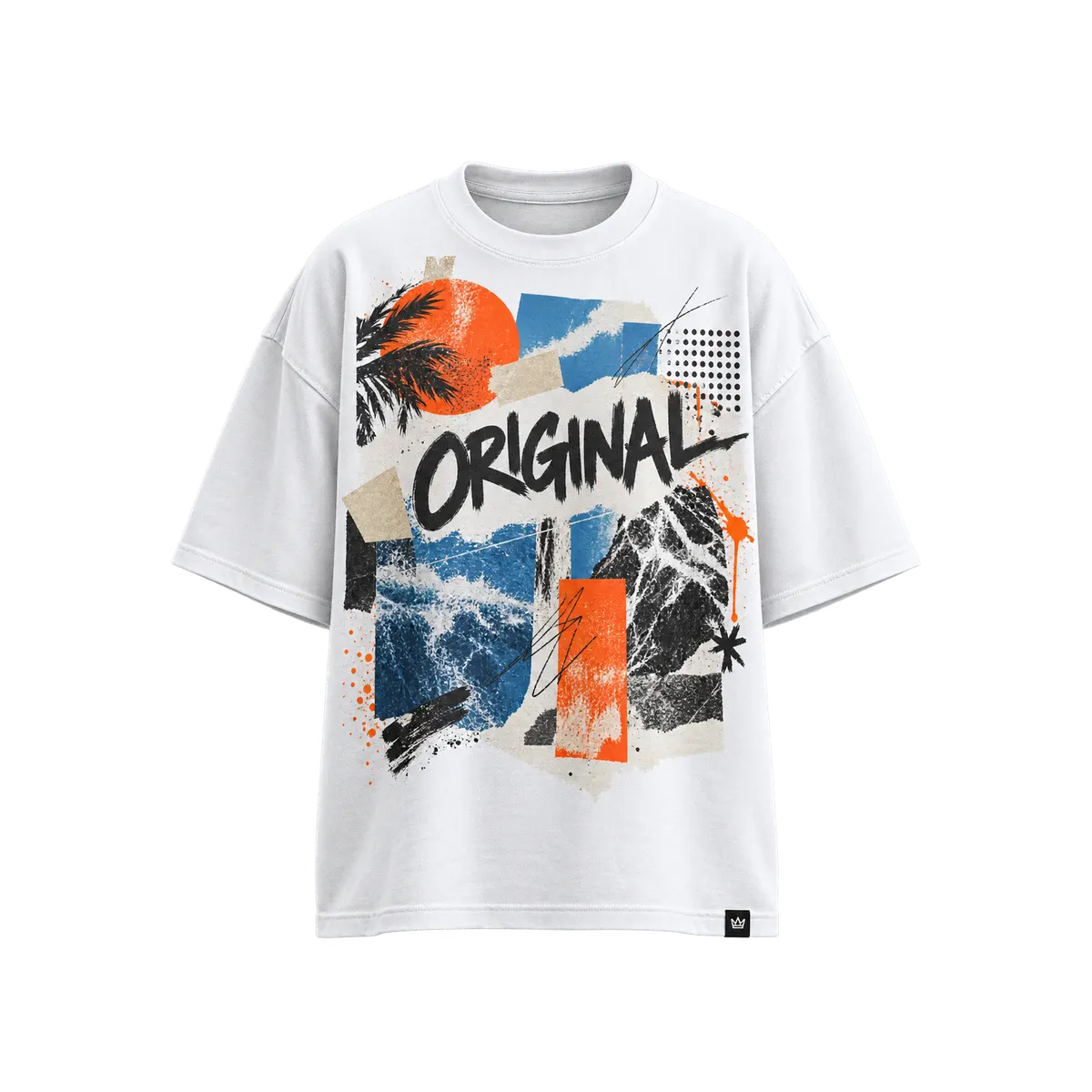
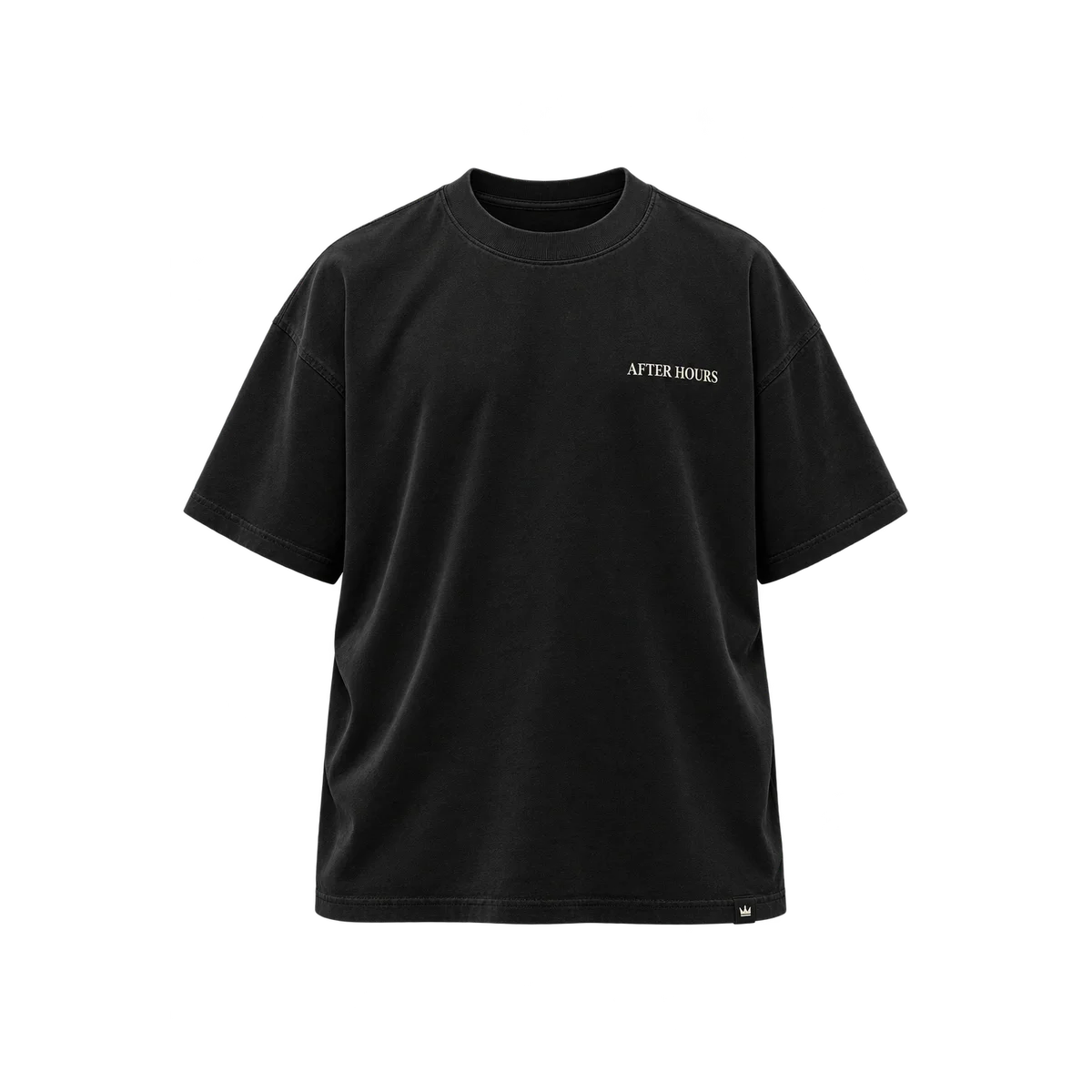
Rendered design concepts for custom production, not ready-stock products or photographs of finished stock. Your colours, artwork, fit and production specification are agreed in your quote.
DTG applies ink directly to the garment, while DTF transfers a printed design from film onto fabric using heat. Both methods can reproduce artwork with several colours, but they are different production routes. Share the intended fabric, garment colour, artwork dimensions and file before choosing. A large soft-edged illustration and a bold cut-out graphic may need different preparation. The design concepts identify a proposed method; the final printing specification is confirmed for your actual artwork and chosen garment in the quote.
Decide whether the front or back should carry the main image. The landscape, koi, planet and tiger concepts focus on the back, leaving the front quieter. The skyline, floral and collage tees place their story on the front. This changes how a customer first sees the design and how you might photograph a collection. Keep important faces, lettering and small details away from seams, pockets and the neck opening. A hoodie also needs enough space below the hood for the central graphic to remain readable.
Send the cleanest original artwork you have, ideally with transparency where the garment should show through. Describe the intended physical print size and include a separate reference if you want a faded edge or a rectangular poster layout. Avoid using a screenshot as the only source when an original file exists. The Logo Vectorizer can help with suitable flat logos, but detailed illustrations and photographs should retain their image detail. If artwork needs recreation or a logo needs redrawing, tell us what you want changed before work is specified.
Black, white, cream, washed black and heather grey each frame artwork differently in these concepts. Use the illustrated image as a colour reference, then decide whether the garment should be boxy, oversized or adjusted to your measurements. Common fabric weights are available; exact composition and GSM are confirmed in the quote. Start by sending a design code, your artwork and quantities. We can prepare a free mockup. Samples, logo redraws and size sets have costs confirmed in your quote, and the concept pictures do not represent ready-stock products.
Preparing a logo? Try the Logo Vectorizer. Use artwork you own or have permission to reproduce. Start your layout in Design Studio.
Before you brief your collection
Yes. Send artwork you own or have permission to use, together with the design code and intended placement. The concepts are starting points for your brief, not a requirement to use the pictured graphic.
The choice depends on the artwork, fabric, garment colour and desired print layout. Send those details and we will confirm the proposed method in your quote rather than choosing from the image alone.
Yes. Several concepts use that arrangement. Provide both files, or explain how the main artwork should be adapted into a smaller front mark, and confirm each placement in the mockup.
A mockup helps you approve the composition and intended colours. It does not by itself confirm physical print colour. Include any exact colour references and discuss sample requirements in your quote.
Your reference. Your brand.
Send the design code, your logo or artwork, quantity, requested sizes and destination. Tell us what to keep and what to change. We will use your brief to prepare a free mockup and a quote.
MOQ 20 pieces. Physical samples, logo redraws and size sets: cost confirmed in your quote.