Printing techniques
Compare sublimation, screen printing, DTG, DTF, vinyl, puff, high-density, silicone, reflective and specialist effects for sportswear and streetwear.
Read the guide →THE SPORTSWEAR DEVELOPMENT GUIDE
Choose sportswear fabrics, plan panels and artwork, and approve fit, printing and construction for team kits, training wear and fitted performance garments.
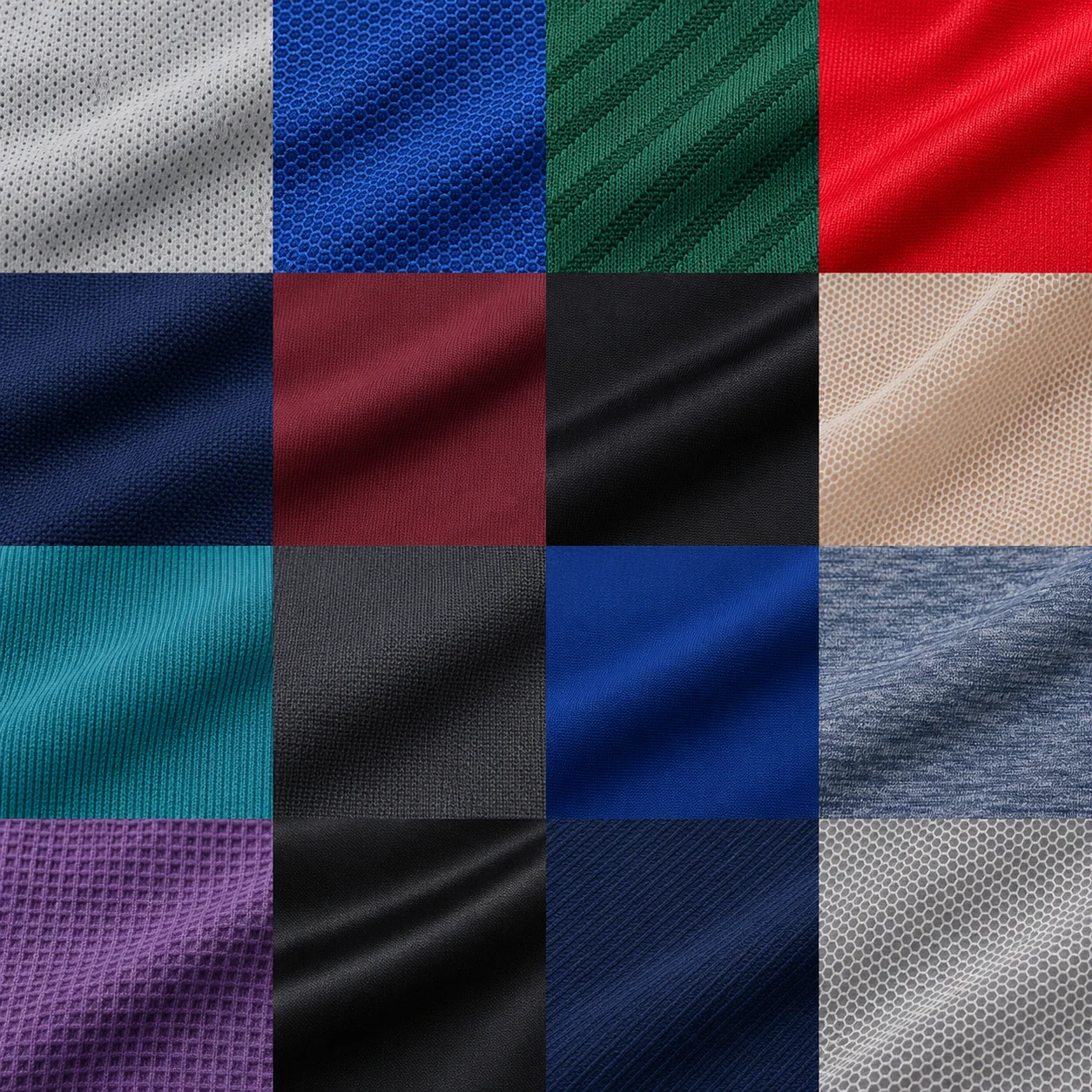
A useful sports kit starts with what the wearer needs to do. Running, reaching, tackling and sitting on a bicycle place different demands on fit, coverage and seams. Choose the garment and its construction before deciding that one fabric or decoration method is the answer.
This guide is a practical planning route for clubs and new brands. Its comparisons help you write a clearer brief; they are not stock specifications or laboratory performance claims. Confirm the actual material, measurements and finished sample for your order.
Record the sport, training or match use, intended fit and layers worn underneath. A close-fitting cycling jersey and a hockey jersey worn over pads need very different pattern shapes even if both use polyester.
Identify each separate item: jersey, shorts, trousers, socks, bib or warm-up layer. Draw front and back views, then note functional requirements before adding graphics. Treat any league lettering or equipment rules as requirements to verify with the relevant organiser.
References: CottonWorks: garment construction and pattern engineering ↗Coats: activewear thread, zip and stitch planning ↗
Polyester interlock offers a relatively smooth surface for a clean printed design; mesh introduces openings and texture. Compare coverage, surface detail and feel on the actual swatch. Neither a mesh name nor a polyester label establishes tested wicking, UV protection or cooling.
Polyester–elastane and nylon–elastane knits are candidates when the design needs added stretch and recovery. Check both directions and how the fabric looks under tension. Elastane percentage alone cannot specify a compression rating. LYCRA is a fibre brand; elastane and spandex are generic names.
For training layers, compare loopback, brushed sweatshirt fleece, tricot and stretch woven routes. Each changes the inside feel, drape and panel behaviour. For outerwear, specify the shell, backing, lining and any membrane separately.
References: CottonWorks: single and double knit construction ↗The LYCRA Company: spandex, elastane and LYCRA fibre ↗Athleno: published sports fabric examples ↗
Use these as development questions, then compare samples. Similar-looking uniforms can need different neck openings, sleeve shapes and panel layouts.
References: Athleno: published sports fabric examples ↗Coats: activewear thread, zip and stitch planning ↗
Fit equipment and openings into the pattern before placing a crest. Artwork that looks centred on a flat drawing may sit differently when the garment is buttoned, worn over pads or tucked in.
References: CottonWorks: garment construction and pattern engineering ↗Coats: activewear thread, zip and stitch planning ↗
Close-fitting garments need a joint review of fabric extension, pattern shape, seam position and decoration. An easy stretch in the swatch is not enough if the finished seam or large logo restricts movement.
References: Coats: Soft and Secure Seams ↗The LYCRA Company: spandex, elastane and LYCRA fibre ↗
Sublimation is a useful route for all-over designs on suitable polyester bases. A white or light base is the normal starting point because standard dye sublimation does not supply white ink. Dark fabric, untreated cotton and nylon need a different material-and-decoration assessment.
Request the actual pattern template for each garment. Mark visible panel boundaries and sewing allowances, keep important text clear of seams, and identify which stripes must meet across joins. Review small and large sizes; grading changes the space available for artwork.
References: Epson: sublimation substrates and base colours ↗CottonWorks: textile printing and fabric preparation ↗
The factory develops the pattern and size grading, prepares the selected material, cuts the components, decorates at the appropriate stage and assembles the garment. Some designs are printed as panels before sewing; other marks are added to assembled garments. Ask for the sequence that suits your design.
Seam type, thread and construction should work with the fabric and movement. Discuss bulk and skin contact as well as appearance. Piping is a sewn component with its own colour and position; a printed stripe creates a different result.
References: CottonWorks: garment construction and pattern engineering ↗Coats: Soft and Secure Seams ↗
Review the garment on the intended wearer or fit model. Measure the agreed points, move in the garment and examine coverage, closures, seams and artwork. Record what passed and what must change. Any wash or performance assessment should use agreed requirements for that product.
Crownseam has manufacturing capacity of 2,000 pieces per week. Order allocation is confirmed separately. During sampling and production, Crownseam provides daily updates, photos and videos and requests approval when a step needs your decision. Production media for your brand can be planned with agreed shots, formats and permissions.
References: CottonWorks: garment quality control ↗GINETEX: textile care labelling competence ↗
BEFORE YOU BRIEF YOUR COLLECTION
There is no universal best fabric. Compare suitable interlock, mesh or stretch constructions against the sport, fit, coverage and artwork. Confirm the actual composition, GSM and sample rather than choosing by a fabric name alone.
No. Open construction and moisture-management performance are different questions. Ask what requirement is intended and what evidence supports it on the exact fabric and finish.
Sometimes, but shorts, linings, collars and stretch panels may require different materials. Record each component and assess the complete set for movement, colour and care.
A combination may be possible, but each method must suit its material and position. Agree the production order, test the combination and inspect the feel and movement of the finished sample.
Use the garment’s actual panel templates and identify sewing allowances, openings and matching points. Check the assembled sample in more than one size where placement is critical.
Not by itself. Construction, yarn, fit, stretch direction and recovery matter. A fibre percentage does not establish measured compression or a sport-specific performance rating.
Send the sport, garment list, reference images, size requirements, artwork, expected quantity, destination and any equipment or performance needs. Include your preferred composition and GSM if known.
Yes. Crownseam provides daily progress updates, photos and videos during sampling and production. When a decision needs your approval, the team requests it. Agree any additional brand-content shots and editing requirements with the order.
YOUR IDEA DOESN’T NEED A TECHNICAL NAME
Can’t find your fabric, print, embroidery or wash? Tell us what you are making and what you want it to feel like. Add reference pictures to your email.
[email protected] ↗Mockups and sublimation file recreation are currently free. Sample, logo redraw and size-set costs are confirmed in your quote.
KEEP PLANNING
Compare sublimation, screen printing, DTG, DTF, vinyl, puff, high-density, silicone, reflective and specialist effects for sportswear and streetwear.
Read the guide →Compare garment dye, enzyme wash, acid wash, sun fade, spray effects, distressing and burnout. Learn what to specify and approve before production.
Read the guide →Compare flat, tonal, 3D puff and chenille embroidery, appliqué, tackle twill and patches. Plan artwork, backing and sample checks for your garment.
Read the guide →Plan streetwear fit, fabrics, GSM, washes, printing and embroidery, then turn the idea into a clear tech pack and an approved production sample.
Read the guide →READ FURTHER
References explain processes and material principles. Supplier specifications are not a claim that Crownseam uses a particular brand, machine or certified system.