Printing techniques
Compare sublimation, screen printing, DTG, DTF, vinyl, puff, high-density, silicone, reflective and specialist effects for sportswear and streetwear.
Read the guide →THE STREETWEAR DEVELOPMENT GUIDE
Plan streetwear fit, fabrics, GSM, washes, printing and embroidery, then turn the idea into a clear tech pack and an approved production sample.
Streetwear combines proportion, fabric, colour, graphic placement and finish. Heavyweight fabric does not automatically create a good boxy fit. Develop the base garment and its decoration together.
Start with what customers will wear, then record the decisions that make it recognisable. Develop tees, hoodies, joggers, sets and outer layers with a production specification alongside the mood board.
Choose each item’s role: an everyday tee, substantial hoodie, relaxed set or statement jacket. Decide what unites the collection: silhouette, colour family, stitching or branding placement.
Describe references precisely. Instead of “premium oversized hoodie”, explain the desired shoulder position, body length, sleeve volume, hood shape and inside feel. A photograph can communicate an intention, but does not supply measurements or prove that a fabric will produce the same drape.
References: CottonWorks: garment construction and pattern engineering ↗
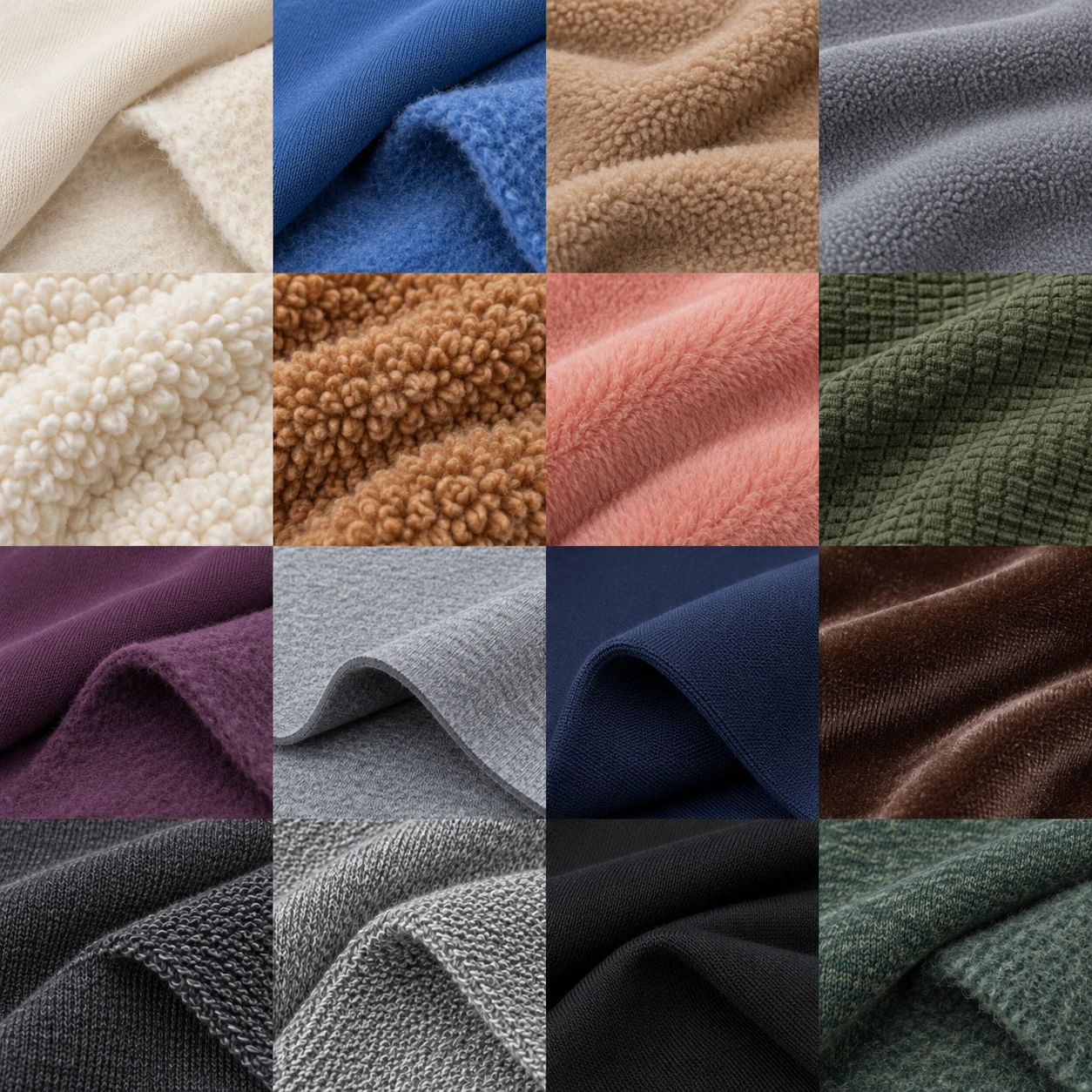
Single jersey is a familiar tee route; cotton interlock offers a different double-knit structure. Compare how each hangs at the intended weight. A fluid fabric can soften a wide silhouette, while a denser construction may hold more body. Neither result is automatically better.
French terry has a looped reverse, while brushed sweatshirt fleece has a raised inside surface. Inspect both faces and record the fibre blend. Cotton fleece, cotton-polyester sweatshirt fleece, polar fleece and sherpa are different choices despite sharing the word fleece.
For trousers and outer layers, consider twill, canvas, denim, corduroy, tricot or a suitable shell construction. Lining, pocketing and rib are separate materials, not details to leave until the body fabric has been ordered.
References: CottonWorks: single and double knit construction ↗CottonWorks: Digital Cotton Basics material families ↗
A boxy tee needs a planned relationship between width, length, armhole, sleeve and neck. Enlarging every dimension creates a different shape. A drop shoulder changes where sleeve graphics sit.
For hoodies, decide the hood panels, lining, pocket shape, rib height and closure. For joggers, review rise, thigh, knee, leg opening and waistband construction. Try the full set together rather than approving the top and bottom only in isolation.
References: CottonWorks: garment construction and pattern engineering ↗
A washed-black appearance can be produced through different routes. Garment dye describes colour applied to an assembled garment; pigment colour and other dye systems work differently. Names such as acid, mineral, vintage and sun fade can also be used loosely in references.
Show where you want variation: raised folds, seams, an all-over mottled surface or a faded graphic. Ask the factory to identify the proposed process and its compatibility with the fabric, thread, trims and decoration. A wash reference should be assessed on the complete garment.
References: CottonWorks: garment wet processing topics ↗CottonWorks: garment finishing methods ↗
Screen-print options can create very different surfaces. Water-based, puff, silicone and high-density routes should be discussed as specific ink systems and effects. Fine lines, broad shapes, colour separations and the amount of coverage all influence the choice.
DTG prints directly onto a compatible prepared garment. DTF uses a printed transfer film and application process. Vinyl is another transfer route. They are not interchangeable names, and every option needs review on the actual fabric and finish.
For embroidery, a tonal thread gives restrained branding without becoming a different stitch process. Flat embroidery, foam-supported 3D puff, chenille and appliqué produce distinct textures. Digitising, support and the shape of the artwork determine whether small details remain clear.
References: CottonWorks: textile printing and fabric preparation ↗Epson: DTG and DTFilm material considerations ↗Wilcom: pull compensation and stabilisation ↗Wilcom: 3D puff embroidery questions ↗
A washed garment printed afterwards can look different from one whose print goes through the finish. Thread, patches, transfers and raised inks may respond differently to the same process. Decide which components are supposed to age or remain crisp.
Agree the proposed order of material preparation, cutting, sewing, dye or wash, decoration and inspection. Keep the sample showing the complete combination.
References: CottonWorks: garment wet processing topics ↗CottonWorks: garment finishing methods ↗CottonWorks: shrinkage and skewing ↗
A tech pack records what should be made. Include front, back, side and detail views with labelled measurements, colour references and placement instructions another person can follow.
Give each artwork file a clear version and retain the editable source where available. An image enlarged from a screenshot does not gain original detail; embroidery also needs digitising for the chosen size and fabric.
References: CottonWorks: garment construction and pattern engineering ↗Wilcom: pull compensation and stabilisation ↗
Check fit, measurements and drape. Inspect print edges, small lettering, embroidery distortion, seams, pockets and matching components against the latest written brief.
Agree the assessment appropriate to the design, including any care evaluation and measured requirements. If something changes after the assessment, record the revision and confirm whether another sample is needed. Do not give customers a universal wash instruction based only on the fibre name.
References: CottonWorks: garment quality control ↗GINETEX: textile care labelling competence ↗
Crownseam has manufacturing capacity of 2,000 pieces per week; your order allocation is agreed separately. During sampling and production, you receive daily updates, photos and videos. When a step requires your decision, Crownseam requests approval before proceeding with that decision.
Plan production content for your brand in advance: close-ups of the chosen texture, decoration being applied, garment details or packing. Agree shot lists, format, permissions and any editing requirements rather than assuming every progress clip is a finished advertisement.
BEFORE YOU BRIEF YOUR COLLECTION
Compare the drape and body of suitable jersey or interlock fabrics in the intended fit. GSM is one part of the choice; yarn, construction, finishing and the pattern all affect the result. Approve the actual garment sample.
Choose by the reverse texture, feel, silhouette and intended use. French terry has loops inside; brushed sweatshirt fleece has a raised inner surface. Check the exact blend, weight and trim match.
Discuss the complete combination and production order before sampling. Approve the finished garment, including shade, graphic texture, thread, trims and measurements. Separate effect samples do not prove the combination.
Tonal describes the relationship between thread colour and the garment. It can be made with flat or other appropriate embroidery. Stitch type, digitising and stabilisation still need to suit the design and fabric.
No. Raised effects include expanding puff ink, high-density or silicone printing, and foam-supported puff embroidery. Specify the look and technique rather than relying on the phrase 3D.
A mockup helps approve layout and direction, but it cannot prove hand-feel, drape, fit, texture, colour or how the completed finish behaves. Use a physical sample for those decisions.
Yes. Crownseam can provide production photos and videos for brand social media. Agree the shots, formats, permissions and any editing requirements with your order; daily progress footage and finished promotional content may have different requirements.
Send the garment, desired fit and feel, inspiration images, artwork, intended finish, size needs, expected quantity and destination. Include composition or GSM if you know them; otherwise describe the result you want and ask for a material discussion.
YOUR IDEA DOESN’T NEED A TECHNICAL NAME
Can’t find your fabric, print, embroidery or wash? Tell us what you are making and what you want it to feel like. Add reference pictures to your email.
[email protected] ↗Mockups and sublimation file recreation are currently free. Sample, logo redraw and size-set costs are confirmed in your quote.
KEEP PLANNING
Compare sublimation, screen printing, DTG, DTF, vinyl, puff, high-density, silicone, reflective and specialist effects for sportswear and streetwear.
Read the guide →Compare garment dye, enzyme wash, acid wash, sun fade, spray effects, distressing and burnout. Learn what to specify and approve before production.
Read the guide →Compare flat, tonal, 3D puff and chenille embroidery, appliqué, tackle twill and patches. Plan artwork, backing and sample checks for your garment.
Read the guide →Choose sportswear fabrics, plan panels and artwork, and approve fit, printing and construction for team kits, training wear and fitted performance garments.
Read the guide →READ FURTHER
References explain processes and material principles. Supplier specifications are not a claim that Crownseam uses a particular brand, machine or certified system.